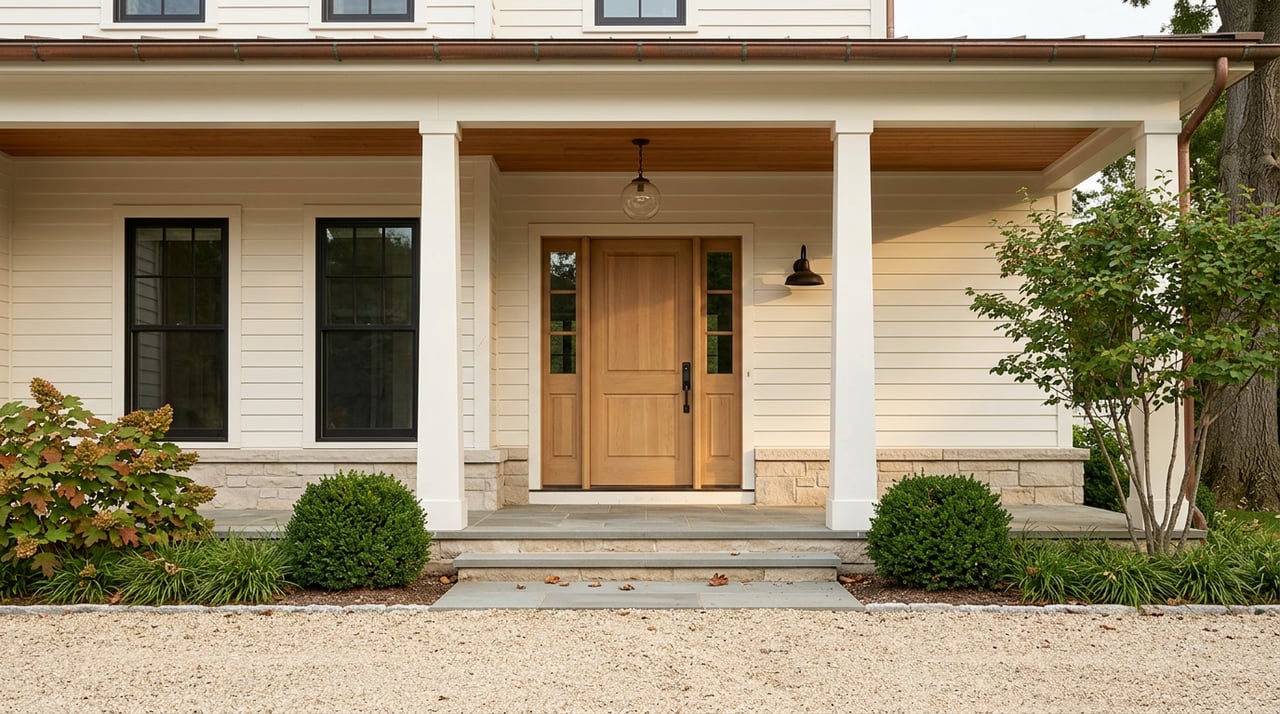
New Vernon Real Estate Market: What Your Budget Buys
Portal listings will tell you the median sale price in New Vernon sat near $2.85 million as of May 2026, with the average closer to $2.37 million and homes moving in about 31 days. Those numbers are true and misleading in equal measure. New Vernon isn't priced like a neighborhood. It's priced like a five-acre zoning wall wrapped around a federal wildlife refuge, and once you can read the wall, the median stops being a number and starts being a map.
Harding Township, which contains New Vernon and Green Village, sorts residential land into four bulk tiers plus a Rural Residential zone. The minimums drive almost everything a buyer sees at the curb.
| Zone | Minimum lot size | Minimum frontage | Front setback |
|---|---|---|---|
| RR (Rural Residential) | 5 acres | 300 ft | 100 ft (150 ft if building area exceeds 3,920 sq ft) |
| R-1 | 3 acres | 300 ft | 100 ft |
| R-2 | 30,000 sq ft | 120 ft | 50 ft |
| R-3 | 15,000 sq ft | 85 ft | 35 ft |
| R-4 | 9,000 sq ft | 65 ft | 25 ft |
The RR standard, five acres with a 300-foot frontage requirement, is set out in Article XXXIII of the Harding land use code and the township's residential zoning schedule. The RR zone permits lot-averaged subdivisions with a three-acre floor as long as the overall tract still averages five acres per lot. That single ordinance is the reason the New Vernon skyline is trees, not rooftops. It is also the reason a buyer looking at two $2.4 million houses can be looking at two entirely different products.
New Vernon posted roughly 11 residential sales over the trailing twelve months ending mid-2026, with three to six active listings at any given moment. A market that thin is not a market in the statistical sense. It's a rolling handful of specific houses, and one large estate closing at $5.25 million pulls the average up by hundreds of thousands of dollars on its own.
That matters for a buyer in two ways. First, the average sale price rose 62 percent year over year on the Harding sub-market view, which sounds like an appreciation story but is really a mix-shift story. When six of eleven closings happen to be big-acre estates in the RR zone, the "market" appears to have jumped, even if nothing about willingness to pay has changed. Second, days on market splits: the Homes.com New Vernon page reports about 31 days, while the broader Harding sub-page reports about 55. The gap is comps aggregation, not seasonality. If your agent is showing you one number, ask which polygon they drew.
Layered on top of the zoning map is the Great Swamp Watershed Overlay, described in Article XXII of the code as encompassing all lands within the Great Swamp watershed as depicted on the township zoning map. The overlay was the product of a decades-long fight that the Great Swamp Watershed Association, now marking its 45th year in 2026, helped shape after the refuge was saved from a proposed jetport in the 1960s.
For a buyer, the overlay is not an abstraction. It changes what your due diligence letter looks like:
None of this shows up in a listing description. All of it shows up in the closing timeline.
The interesting exercise for a New Vernon buyer is not "what does $2.5 million get me here versus Madison." It is "which tier of Harding's ladder does this house actually sit on, and does the price reflect the tier or the trees?"
Under $1.5 million: the older, smaller footprint. The Mount Kemble Lake enclave holds bungalows and cottages dating to the 1920s on smaller lakeside lots that predate current bulk minimums. Two townhouse developments, Shadowbrook and Harding Green, provide the closest thing New Vernon has to attached product. Buyers at this tier are almost always working with pre-existing undersized lots or attached deeds, which the code specifically permits to be enlarged or rebuilt in conformance with R-1 bulk standards. The math is different from the estate market above it.
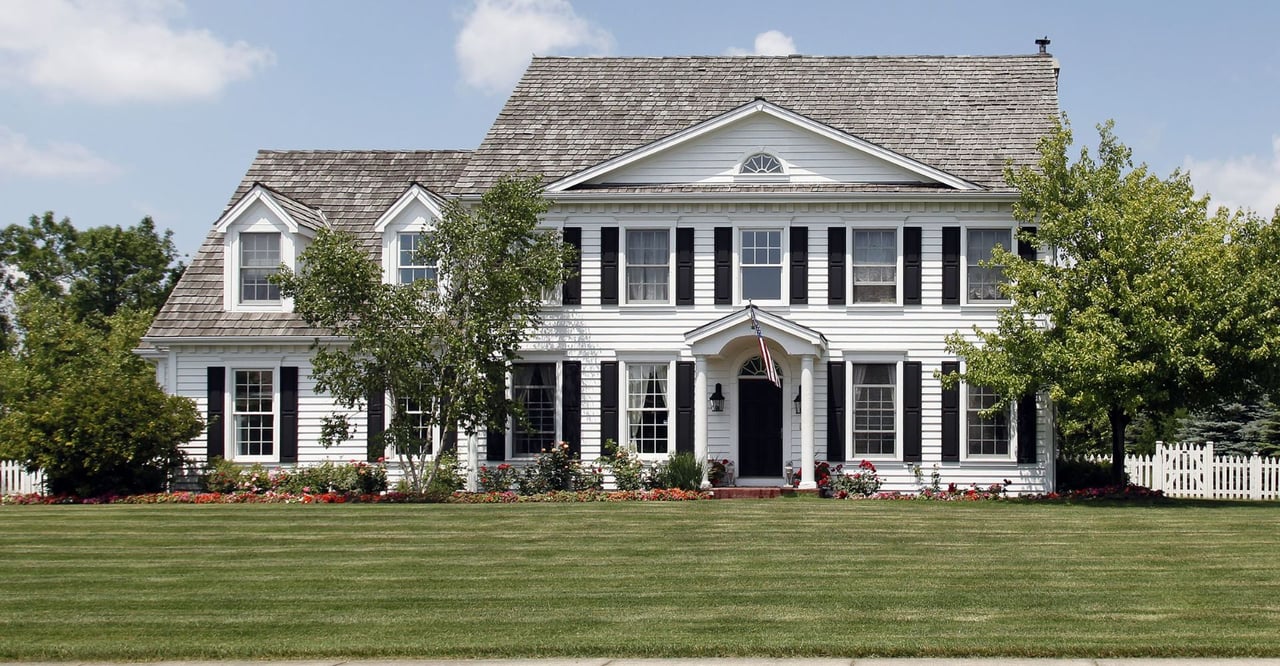
$1.5 to $2.5 million: the working middle of the RR zone. This is where most of the actual trading happens. Colonials on three to five acres, often on Village Road, Blue Mill Road, or Millbrook Road, sometimes with the barn or paddock that Harding's horse trail easements imply. A buyer here is paying for the acreage minimum as much as the house. Renovation history matters more than square footage, because a 1970s system on a five-acre lot is a very different asset than a 2022 rebuild on the same footprint.
$2.5 to $5-plus million: the estate tier. Large-acre parcels, often with pool, tennis, and a long private drive off a shared or flag-lot access. The code specifically permits shared driveways and flag lots in the RR zone to reduce curb cuts and tree removal. Value here is set by land quality, viewshed, and how much of the parcel sits inside versus outside the watershed overlay, which affects what a future buyer can do with the ground.
The reason the median lands where it does is that the middle tier is thin. In a normal suburb, the median tracks the most common transaction. In New Vernon, the median tracks whichever three houses happened to close last quarter.
Every market has a friction point buyers only meet after they're already emotionally in. In New Vernon, three of them cluster around the same 30 days of the contract:
None of these are dealbreakers. All of them extend timelines when discovered late.
Is New Vernon actually a town? No. New Vernon is one of two unincorporated communities inside Harding Township, along with Green Village. Township services, tax rates, and zoning all originate at the Harding level, which is why the market data splits depending on whether a source is drawing the New Vernon polygon or the full township.
What is the send-receive school arrangement? Harding Township School serves pre-K through eighth grade in-district. High school students attend Madison High School through a send-receive relationship. That structure is stable, but any buyer relying on it should confirm current terms at contract, because these agreements are periodically renegotiated between districts.
Why does the average sale price show such large year-over-year swings? Because eleven sales over twelve months is a small enough sample that one $5 million closing shifts the average by hundreds of thousands. Treat annual averages here as sentiment, not signal, and lean on comps within the same zoning tier and roughly the same lot size instead.
What is the practical difference between the RR zone and the R-1 zone? Both require large frontage and deep setbacks, and both share the same primary and accessory use list. The main difference is minimum lot size: five acres in RR versus three acres in R-1. The RR zone also permits flag lots and lot-averaged subdivisions that R-1 does not, which is why some of the most private long-driveway estates in New Vernon sit in RR rather than R-1.
If you're weighing a move into New Vernon or trying to price a Harding Township home for the market that actually exists rather than the one on the portals, working with an agent who reads the zoning ladder is the difference between guessing and pricing. Ryan Dawson works these blocks and this ordinance every week. Schedule a Free Consultation to talk through your parcel, your tier, and what the next comparable sale in your price band is likely to teach us.

He is a top producing real estate agent at Weichert Morristown. His community involvement and drive for perfection gives him an advantage over other real estate agents in the area. He prides himself on being knowledgeable on the latest marketing technologies, but still relying on “old school” sales techniques.
RYAN DAWSON
ADDRESS
20 MADISON AVE
MORRISTOWN NJ 07960