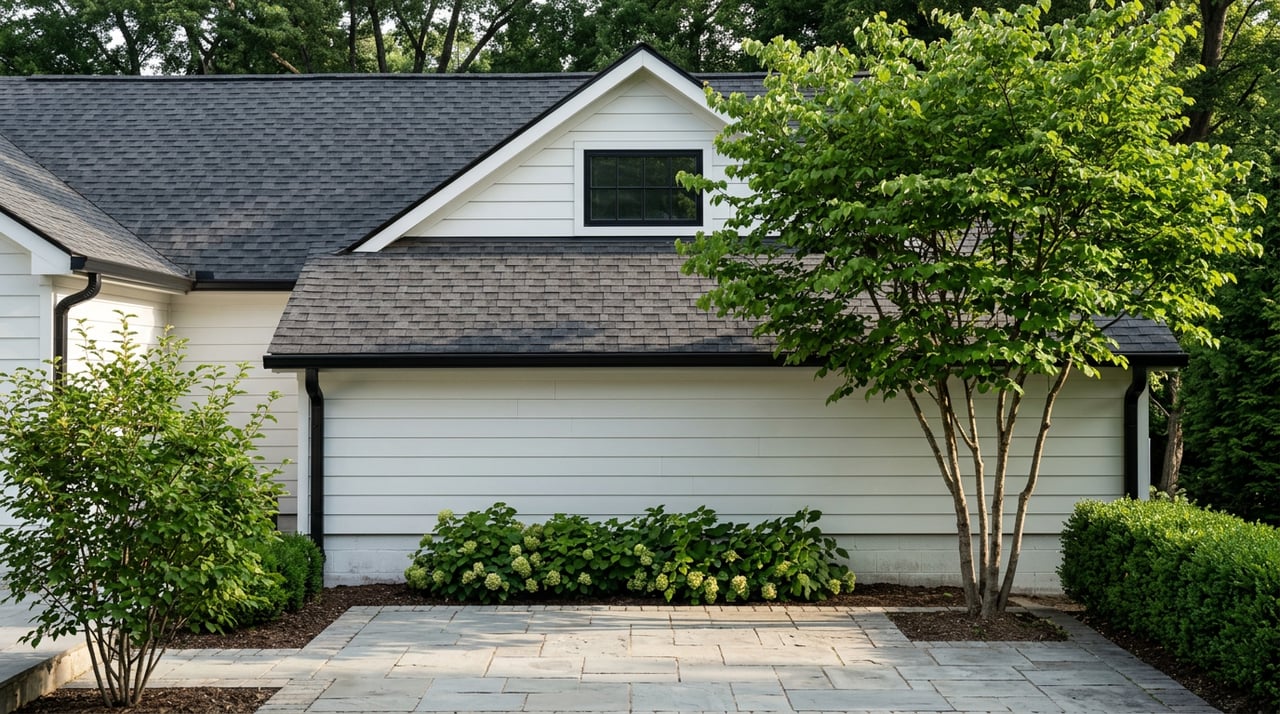
The Paperwork That Stalls a Morristown Closing Has Nothing to Do With Your Buyer's Mortgage
A buyer's financing moves on a schedule you can actually predict. Rate lock, appraisal, underwriting conditions, clear to close. Everyone in the transaction has done this dance before and knows roughly how many days each step takes.
A permit record sitting in a town file cabinet does not move on any schedule at all. It sits there until someone goes looking for it, and in Morristown, someone always does. Before any residential sale in town can close, the seller has to obtain a Certificate of Habitability and pass a Zoning Review, both issued by the Town of Morristown itself, separately from anything a lender or attorney requires. The rule that actually catches sellers off guard isn't about smoke detectors. It's the town's own condition that no Certificate of Habitability will be issued while an open building permit exists on the property, no matter how old that permit is or how finished the work looks today.
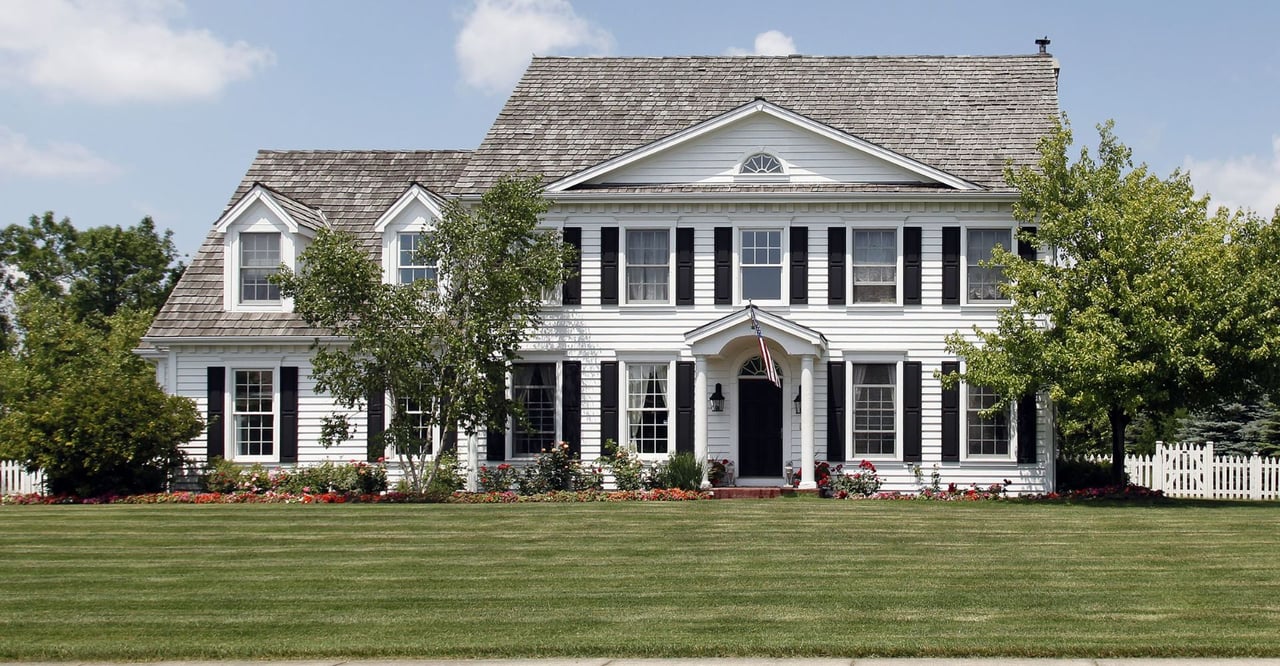
Morristown bundles two separate approvals into one form: the Application for Residential Property Sale & Fire Safety Certification. It covers the Certificate of Habitability, which confirms the home has working smoke detectors, carbon monoxide detectors, and a properly rated fire extinguisher, and a Zoning Review, which checks the property against the town's zoning records. The requirement applies to single-family homes, two-family homes, co-ops, condos, townhomes, multi-family properties, and units in mixed-use buildings. There's no carve-out for a well-maintained colonial or a recently renovated townhome. Every dwelling unit changing ownership goes through the same gate.
That gate is run by the town's Division of Housing and Property Maintenance, a different office entirely from the buyer's lender, the title company, or either party's attorney. A fully approved mortgage and a signed contract don't move this process forward. Only the town can.
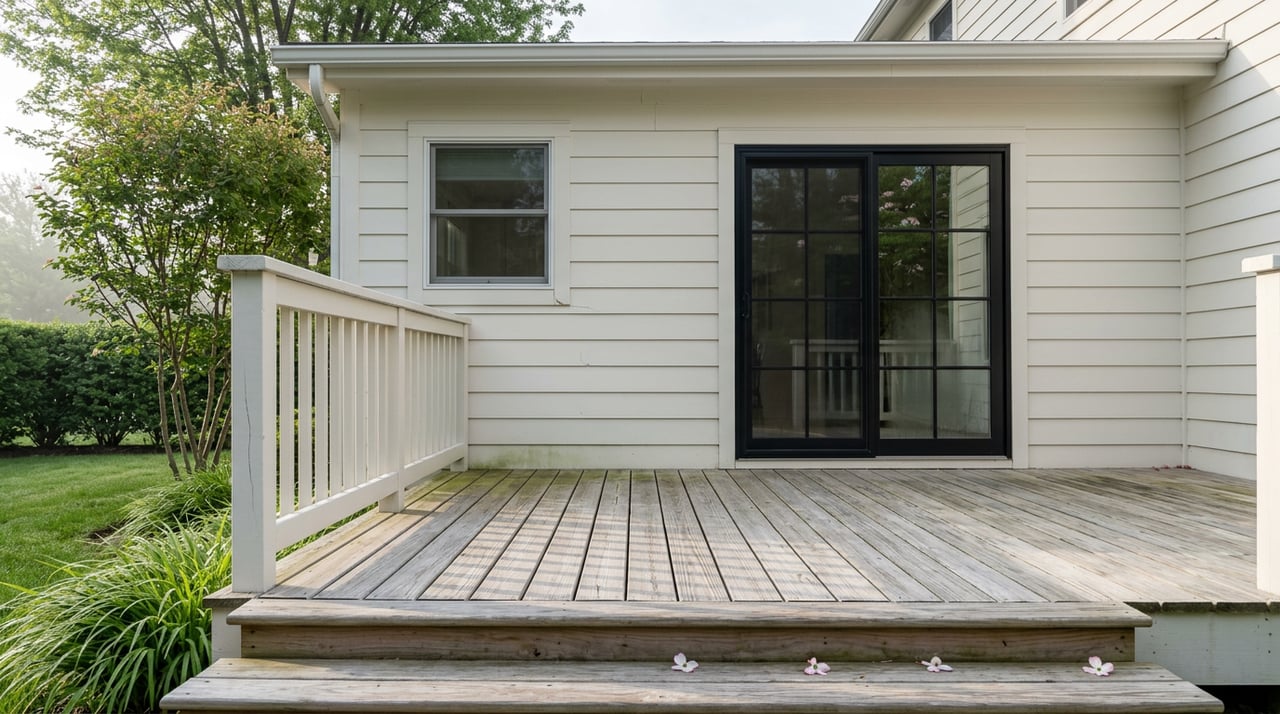
Here's the scenario that plays out more often than sellers expect. A homeowner adds a deck, or replaces windows, or rebuilds a porch. A contractor pulls the permit, the rough work passes inspection, and then nobody ever schedules the final sign-off. Years pass. The seller lives in the house the whole time, never aware anything is unresolved, because nothing about daily life in the home reveals an open file at the town.
Then the seller lists the property, submits the sale application, and the town's review turns up that open permit from a decade ago. The house that looked completely move-in ready now has a paperwork problem that has nothing to do with its physical condition. Closing waits, not on a mortgage commitment, but on tracking down a contractor's file from years back or paying to have the work re-inspected from scratch.
The fix is available to any seller and it costs nothing but a few minutes. The town's own SDL Portal lets anyone search a Morristown address and see its open permits directly. Pulling that history the day you decide to sell, rather than the week you go under contract, is the single most useful thing a Morristown seller can do before a listing photo is even taken.
| If your situation is... | Do this before you list |
|---|---|
| Any renovation in the last 10-15 years | Search the SDL Portal for your address and confirm every permit shows closed, not just issued |
| Home inside the historic district | Ask the town directly whether past exterior work has both a closed permit and a Certificate of Appropriateness on file |
| Condo, co-op, or townhome | Confirm the same CH and Zoning Review applies to your unit, since the requirement covers these property types too |
| Tight closing timeline with a relocating buyer | Submit the Residential Property Sale application as soon as you have a realistic closing date in mind |
A meaningful share of Morristown's housing stock sits inside the Morristown Historic District, listed on the National Register in 1973 and expanded in 1986 to include streets running from Lackawanna and Franklin Place through Speedwell Avenue. Within that boundary, exterior changes to a locally designated property, additions, porch or roof work, visible window or door replacement, site changes, demolition, typically require review and a Certificate of Appropriateness from the town's Historic Preservation Commission before the work happens.
That review runs on a different track from a standard building permit, but the two are connected in a way sellers rarely think about until it matters. If a past owner replaced windows or rebuilt a porch without going through Historic Preservation Commission review, or without properly closing out the resulting permit, that unresolved item can surface during the same open-permit check that gates every Morristown sale. A house inside the historic district can carry two open questions instead of one: was the permit closed, and was the work ever reviewed at all. Sellers in this position benefit from asking the town directly, early, rather than finding out during attorney review.
Morristown built a release valve into this system, and it's worth understanding before a closing date depends on it. If a property fails the Certificate of Habitability inspection and there isn't time to fix the issue and pass re-inspection before the scheduled closing, the seller can request a Temporary Certificate of Habitability. That temporary certificate doesn't erase the requirement. It reassigns it. Under this arrangement, the buyer becomes responsible for scheduling and paying for the re-inspection, and has to complete it by a comply-by date set when the temporary certificate is issued.
That sounds like good news for a seller in a time crunch, and in the narrow sense that it lets the closing proceed, it is. But a temporary certificate means the buyer inherits an open item, along with the cost of resolving it, at the exact moment they're least interested in more paperwork. Any seller planning to lean on this option owes their buyer's agent and attorney a heads-up well before the closing table, not a surprise on it.
There's a second detail buried in the same process that most sellers never read closely. As a condition of the certificate being issued, the real estate licensee representing the buyer has to certify they have no reason to believe the buyer intends to occupy the home in violation of the property maintenance code. Signing that certification falsely isn't a paperwork technicality. The town can report a licensee who does it to the New Jersey Real Estate Commission. It's a small detail, but it tells you how seriously Morristown treats this step. It isn't a courtesy inspection tacked onto closing. It's a compliance gate with its own enforcement teeth.
Sellers who've moved within the county before sometimes assume the process is the same everywhere. It isn't. This Certificate of Habitability and Zoning Review requirement is specific to the Town of Morristown's own property maintenance code. Neighboring Morris Township runs its own separate review structure entirely. A seller who handled a smooth closing in Morris Township a few years ago and assumes the same steps apply in Morristown is starting from the wrong checklist.
Does this apply if I'm selling a condo, not a single-family home? Yes. The Certificate of Habitability and Zoning Review requirement covers condos, co-ops, and multi-family units along with single-family homes.
What if my home fails inspection and I don't have time to fix it before closing? You can request a Temporary Certificate of Habitability, which allows closing to proceed but shifts the responsibility, and the cost, of scheduling re-inspection to the buyer by an agreed comply-by date.
How do I check whether my property has an open permit before I even list? Search your address directly in the town's SDL Portal interactive map, or call the Building Department at 973-292-6712. Doing this the day you decide to sell gives you time to resolve anything before it reaches a buyer's timeline.
Does Morris Township require the same process? No. This process is specific to the Town of Morristown's own housing code. Morris Township runs its own separate review structure.
A permit record from a decade ago shouldn't be the thing that decides when your closing happens. Getting ahead of it starts with knowing exactly what the town will check and when. If you're planning to sell in Morristown and want a clear read on where your property stands before you list, Ryan Dawson can walk through it with you. Schedule a Free Consultation and get the permit history question answered before it becomes a closing-day surprise.


He is a top producing real estate agent at Weichert Morristown. His community involvement and drive for perfection gives him an advantage over other real estate agents in the area. He prides himself on being knowledgeable on the latest marketing technologies, but still relying on “old school” sales techniques.
RYAN DAWSON
ADDRESS
20 MADISON AVE
MORRISTOWN NJ 07960