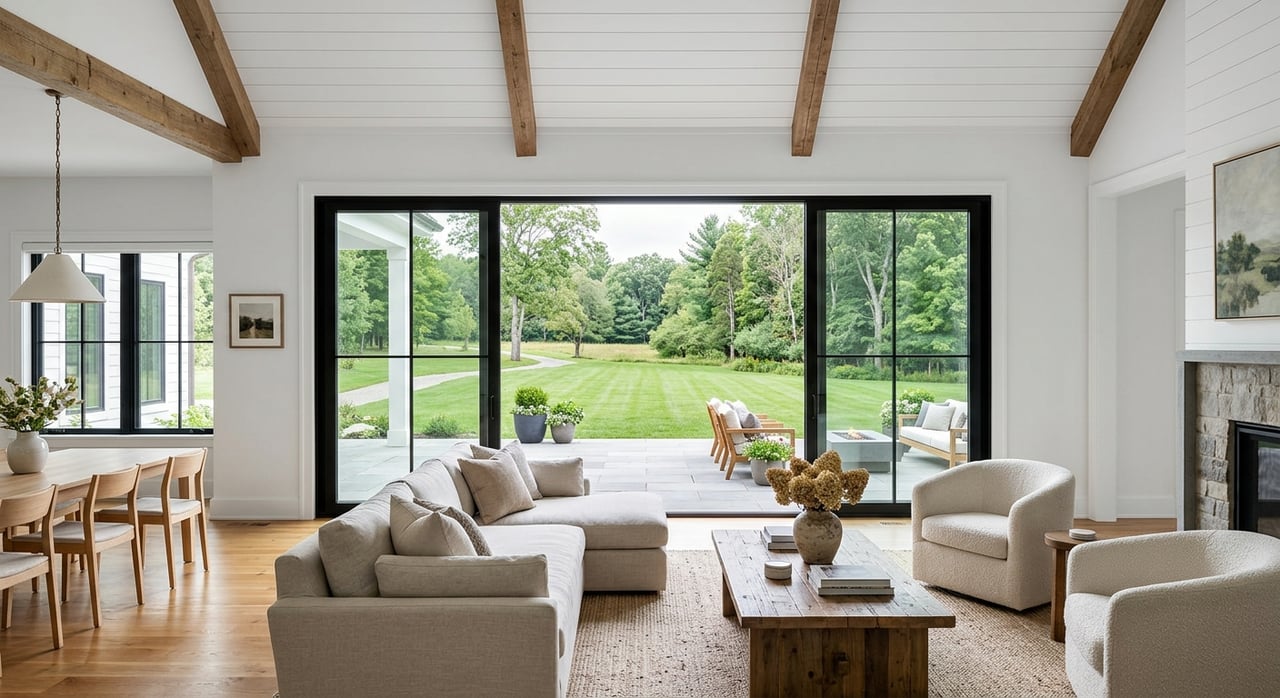
How to Market an Estate Home in New Vernon
If you are selling a large estate or acreage property in New Vernon, you already know it cannot be marketed like a typical suburban home. Buyers in this part of Harding Township are often looking for more than square footage. They are looking for privacy, land use, setting, and long-term value. The right strategy helps you present the full story of the property and answer the questions serious buyers will ask before they ever schedule a showing. Let’s dive in.
New Vernon sits within Harding Township, a rural community in southeastern Morris County with a strong identity tied to preserved land, historic character, and open space. Harding covers more than 13,000 acres, and about 6,200 acres have been permanently preserved. That local context matters because buyers are not just purchasing a house here. They are often buying into a landscape, a setting, and a way of living that feels distinct from more conventional suburban neighborhoods.
That is one reason large properties in New Vernon need more thoughtful positioning. In a market where open land, scenic views, and rural streetscapes are part of the appeal, the home itself is only one part of the asset. The land, approach, outbuildings, and relationship to surrounding preserved areas can all shape perceived value.
Harding’s housing profile also supports a more targeted approach. In 2023, 84.8% of housing units were single-family detached, 79.1% of occupied units were owner-occupied, and more than half of housing units had 9 or more rooms. That points to a buyer pool that is likely more selective and more focused on quality, privacy, and long-term fit than the average move in ready suburban buyer.
For acreage properties, the land is part of the product. In Harding’s R-1 zone, the minimum lot size is 3 acres, and the ordinance requires a 100-foot by 100-foot building envelope free of constraints like easements, wetlands, and flood hazard areas. The ordinance also permits accessory structures such as barns, stables, workshops, greenhouses, and pool houses, which can add meaningful appeal when they are properly represented.
That means your marketing should show how the property actually lives on the land. Buyers want to understand the driveway approach, the siting of the home, usable outdoor areas, wooded sections, meadows, water features, and how accessory buildings function with the main residence. Standard photography alone rarely tells that full story.
In New Vernon, visuals matter even more because township land use goals are built around preserving privacy, scenic vistas, natural resources, and rural character. If your property has a strong sense of arrival, broad lawns, equestrian features, or visual connection to preserved land, those details should be presented clearly and accurately.
A strong estate marketing package often includes:
For a property with significant land, these visuals help buyers understand what they are seeing before they visit. They can also reduce confusion and attract more qualified interest from buyers who specifically want privacy, outdoor amenities, or room for agricultural or equestrian use.
If drone footage is used, it should be handled properly. The FAA treats listing drone work as a commercial operation under Part 107, which requires a remote pilot certificate and compliance with rules including Remote ID and general operating restrictions.
With estate and acreage listings, a generic description is a missed opportunity. Buyers need a clear narrative that explains not only the home’s design and updates, but also what makes the site special. In New Vernon, that often means focusing on stewardship, privacy, setting, and practical outdoor use.
When supported by the actual property, a strong narrative may highlight:
That story has to be grounded in facts. Sellers should never imply uses or future possibilities that have not been verified. In a market like Harding, where land use restrictions and preservation goals are meaningful, accuracy builds trust and protects the transaction.
One of the biggest mistakes in marketing large properties is overpromising what the land can do. Buyers of estate and acreage homes often ask detailed questions early, especially if they are considering horses, farming, accessory structures, or future changes to the property. If the answers are vague, confidence drops quickly.
Harding’s zoning rules make due diligence especially important. The township’s RR lot-averaged subdivision rules are designed to preserve rural streetscapes, open space, scenic vistas, historic areas and structures, natural resources, mature trees, and privacy. Those rules require a minimum lot size of 3 acres and an average of at least 5 acres per residential lot.
That is why you should be careful with any language around subdivision potential. Harding’s RR rules also require permanent deed restrictions on lots larger than five acres in lot-averaged subdivisions. Unless subdivision potential has been confirmed, marketing should not suggest that splitting the property will be simple or likely.
Before your property hits the market, it helps to confirm:
These details are not minor. They can influence value, buyer interest, and how smoothly the transaction moves from showing to closing.
If your property is farmed or presented as a lifestyle farm or equestrian property, buyers will likely ask about tax treatment and use status. In New Jersey, the Farmland Assessment Act can reduce assessment when at least five acres are actively devoted to agricultural or horticultural use for the required period. Right-to-Farm protections may also apply to qualifying commercial farms.
This is an area where clear documentation matters. A buyer may see farm-assessed acreage as a benefit, but they will still want to understand what qualifies, what obligations may come with it, and whether the current use is expected to continue. If the listing mentions these points, they should be presented carefully and factually.
Large estate properties often involve more moving parts than a standard home sale. Harding’s approval process can involve the Board of Adjustment, the zoning official, the Construction Office, and in some cases other agencies such as NJDEP and Historic Preservation. That can become especially relevant if the property includes additions, site improvements, barns, pools, or long driveways.
For sellers, this means pre-listing preparation can make a real difference. When approvals, permits, and property records are organized early, buyers get clearer answers and fewer surprises appear later in attorney review or inspection. That kind of preparation is often what separates a smooth high-value sale from a transaction that stalls.
In New Vernon, estate properties usually appeal to a narrower and more intentional buyer pool. Based on Harding’s housing and income profile, likely prospects may include move-up households, local owners looking for a longer-term property, commuting professionals who value privacy and land, and buyers drawn to historic character or a retreat-like setting.
That does not mean every buyer wants the same thing. Some are focused on usable acreage and accessory structures. Others are drawn to architectural presence, scenic approach, or the balance between privacy and access to the wider Morris County area. Your marketing should speak to the actual strengths of the property rather than trying to attract everyone.
When appropriate, it can also help to present factual community context. Harding Township School serves pre-K through 8 in New Vernon, and the district states that the sending high school is Madison High School. That type of neutral, factual information can help buyers understand the local setup without overreaching.
For sellers in New Vernon, effective marketing usually comes down to a few essentials done well:
That kind of approach is especially important in a market where buyers are selective and properties are often highly unique. A custom home on three acres, a horse property with outbuildings, and a historic estate with preserved surroundings may all sit in the same township, but they should not be marketed the same way.
If you are preparing to sell a large estate or acreage property in New Vernon, the goal is not just more exposure. It is the right exposure, backed by accurate positioning and a process that inspires buyer confidence. For a tailored strategy built around Morris County insight and high-impact marketing, connect with Ryan Dawson.

He is a top producing real estate agent at Weichert Morristown. His community involvement and drive for perfection gives him an advantage over other real estate agents in the area. He prides himself on being knowledgeable on the latest marketing technologies, but still relying on “old school” sales techniques.
RYAN DAWSON
ADDRESS
20 MADISON AVE
MORRISTOWN NJ 07960