Buying a Home in Madison: Single-Family or Townhome?
Are you trying to decide between a single-family home and a townhome in Madison? It is a common crossroads, especially in a market where inventory is tight and prices can swing. You want the right mix of space, predictability, and convenience without surprises. In this guide, you will compare real costs, lifestyle tradeoffs, HOA rules in New Jersey, and a few recent local examples to help you choose with confidence. Let’s dive in.
In Madison, published home value and price medians vary because different services track different data sets. Recent sources show a wide range across listing and sold medians, which is normal for a smaller, mixed market. For a grounded trend view, use multiple sources and expect some spread across measures and timing windows, as highlighted by third-party trackers like PropertyFocus.
What you can expect today: many single-family homes list around or above the one-million mark, while attached units often price lower. Active inventory has been lean relative to demand, which can magnify month-to-month swings. Property taxes matter here, too. Madison’s effective rate is around 2 percent, and many annual tax bills land in the low five figures, according to Ownwell’s Morris County estimates.
Single-family homes give you a private yard, no shared walls, and the most flexibility to add outdoor features. You control your exterior finishes and can plan long-term projects without association approvals.
You also take on all exterior work. That means lawn care, snow removal, and coordination for roof, siding, and systems. If you travel often or keep a tight schedule, this time commitment can be significant.
A common rule of thumb is to save about 1 to 4 percent of the home’s value annually for maintenance and small repairs, with older homes leaning higher. For a $1,100,000 house, that is roughly $11,000 to $44,000 per year set aside, based on guidance summarized by Coldwell Banker’s homeowner tips. Property taxes at a 2 percent effective rate would be about $22,000 per year, or roughly $1,833 per month, before mortgage and insurance.
Most Madison townhome communities include exterior maintenance, landscaping, and snow removal. Many also offer amenities like a pool, tennis courts, or a clubhouse. This setup reduces your time on upkeep and can feel close to lock-and-leave living, a plus for commuters and frequent travelers. For perspective on seasonal upkeep you might avoid, see Angi’s winter maintenance guide.
HOA coverage varies by community and by whether the structure is legally a condo or a fee-simple townhome. Associations typically handle exterior elements, common-area insurance, amenity upkeep, and management, while you handle interior components. Always verify the exact owner versus association responsibilities in the governing documents, as recommended by FirstService Residential’s FAQ.
Monthly fees depend on amenities and maintenance scope. In practice near Madison, townhome fees often run from the low hundreds to several hundreds per month, with higher-amenity complexes at the upper end. Get the current fee and budget before you write an offer, and remember that fees can change. For a national perspective on drivers and ranges, see FinancialToolset’s HOA overview.
New Jersey regulates common-interest communities through laws such as the Condominium Act and the Planned Real Estate Development Full Disclosure Act, often referred to as PREDFDA. These laws shape the disclosures and governance you rely on, including budget transparency, reserve funding, and notices of special assessments or litigation. You can review statutory context on the New Jersey Legislature site.
Before you buy, request these items from the seller or association:
Red flags include low reserves, frequent or large special assessments, high delinquency rates, or ongoing litigation. These can impact your near-term costs and future resale.
Below are simplified illustrations to compare ongoing costs, excluding mortgage principal and interest. Use them to frame your own math.
Single-family example: $1,100,000 home in Madison
Townhome example: $700,000 unit with amenities
Your numbers will depend on the exact property, age and condition, and the HOA’s coverage and reserves. Always plug in your real fees and a maintenance savings target that reflects the property’s age.
Single-family homes deliver maximum privacy and yard space for gardens, play, or future expansion. Townhomes usually trade larger private yards for smaller patios and shared walls, which may reduce acoustic privacy.
Many Madison townhome communities offer amenities like pools, tennis, and walking paths. If you would rather enjoy shared amenities and skip exterior chores, that can be a fair trade for less private space.
Madison is served by NJ Transit’s Morris and Essex lines with Midtown Direct service to New York. Typical peak runs can be about 55 to 65 minutes depending on the train. For context on the borough and service connections, see Madison’s overview. Always verify current schedules and parking options with NJ Transit.
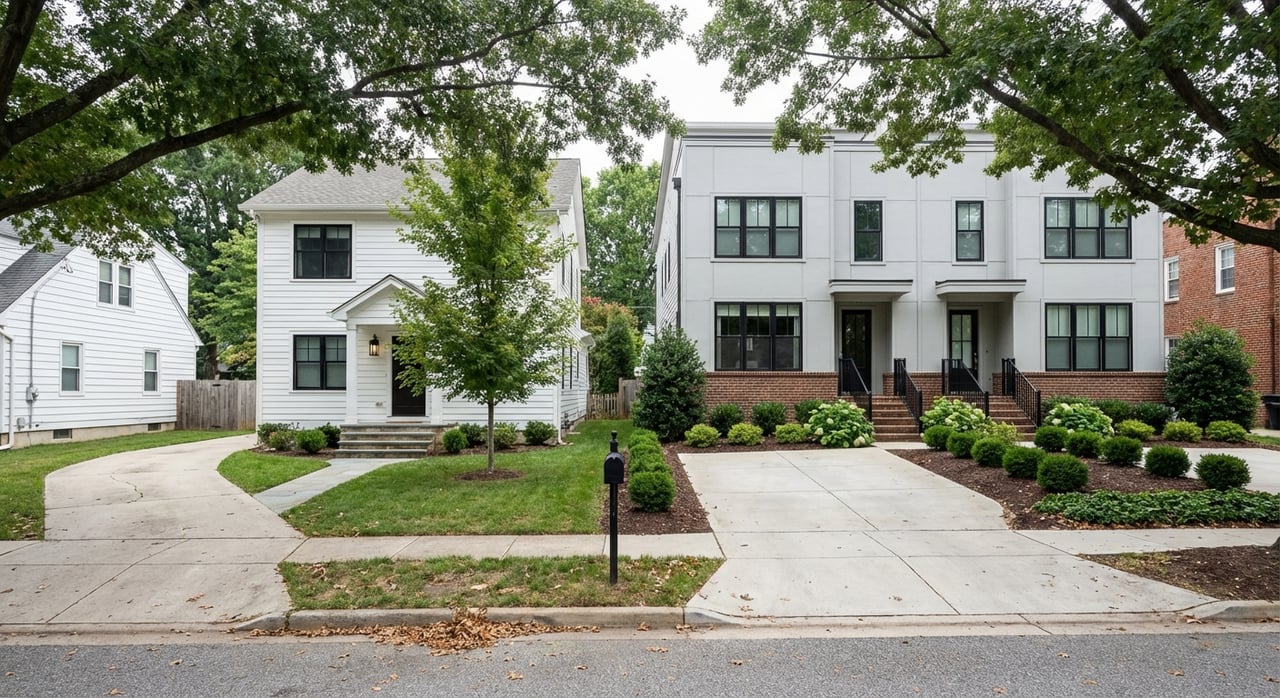
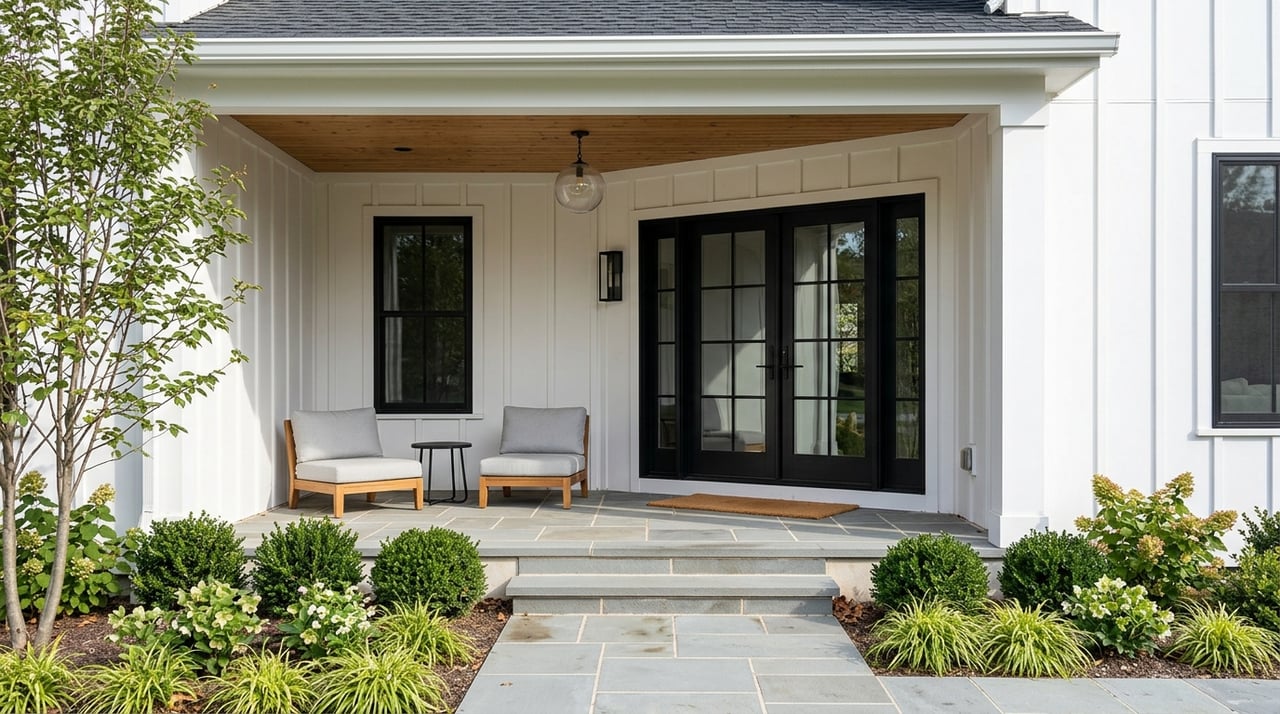
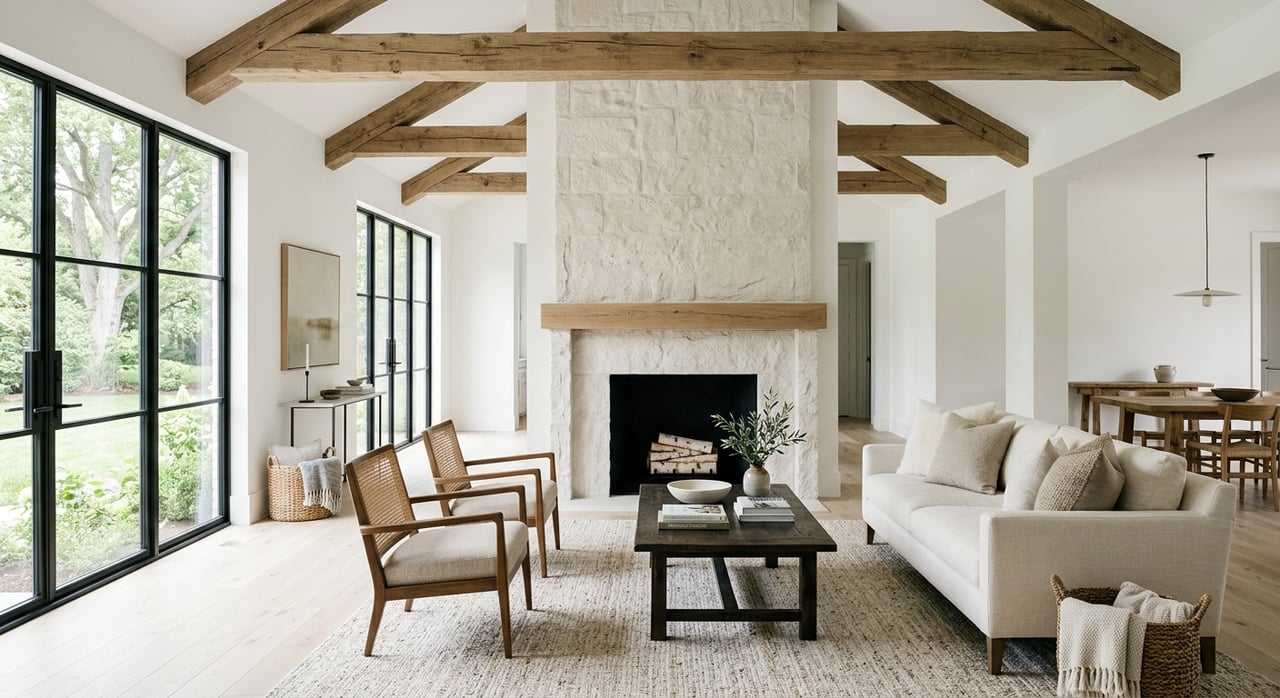
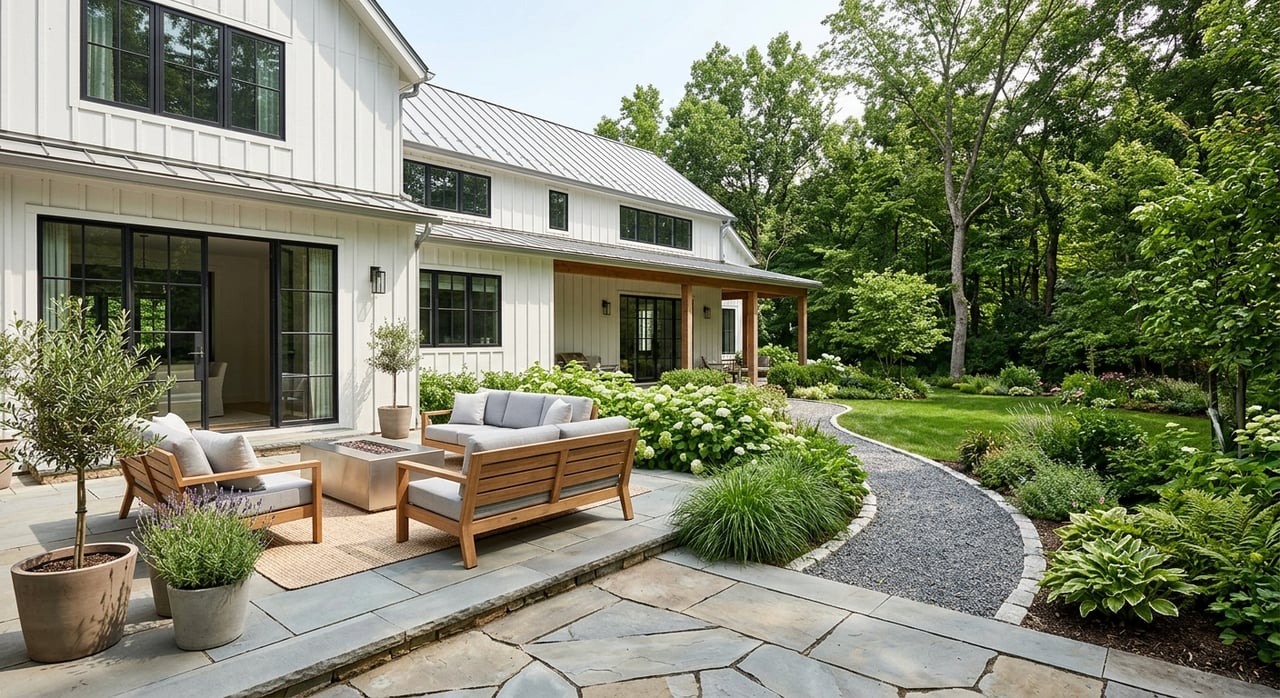
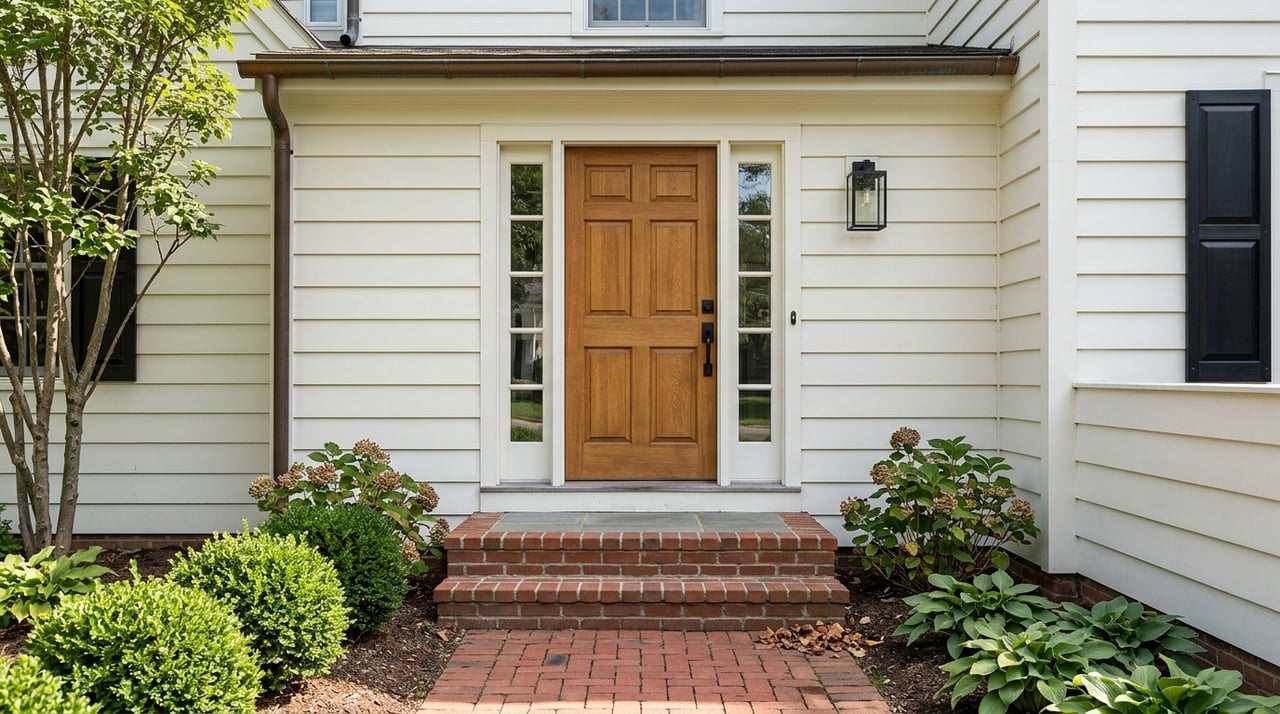
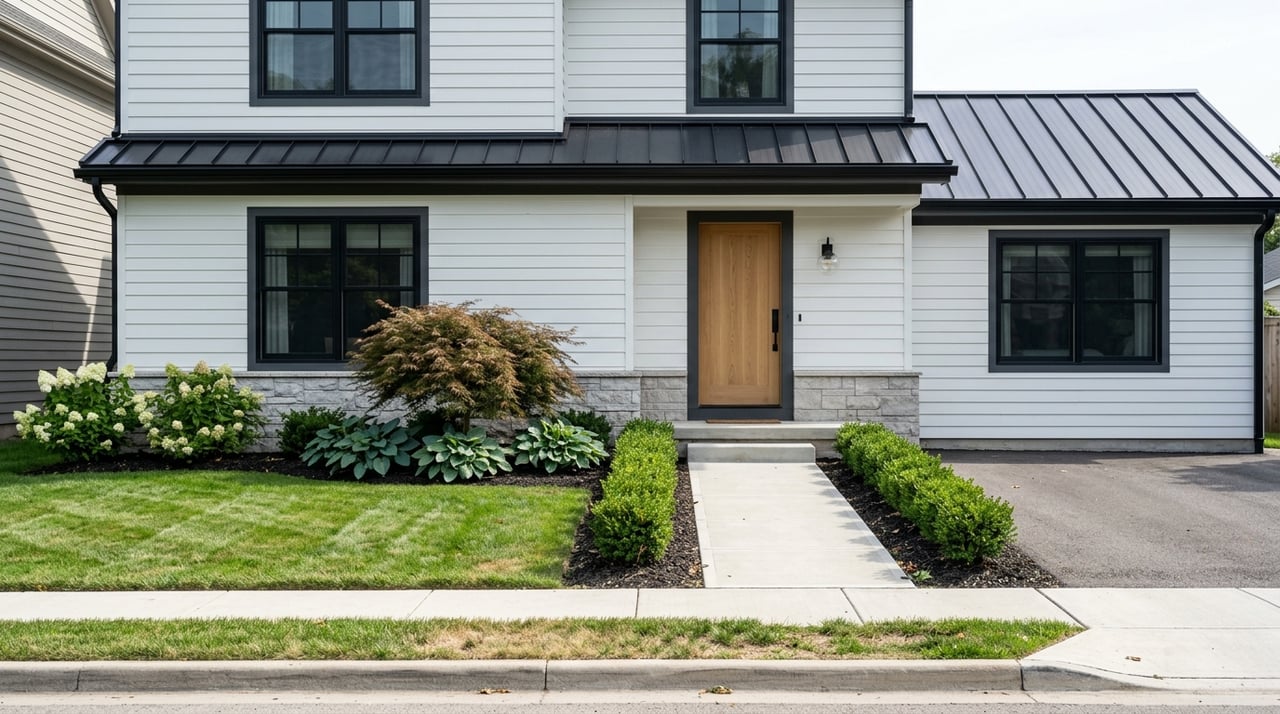
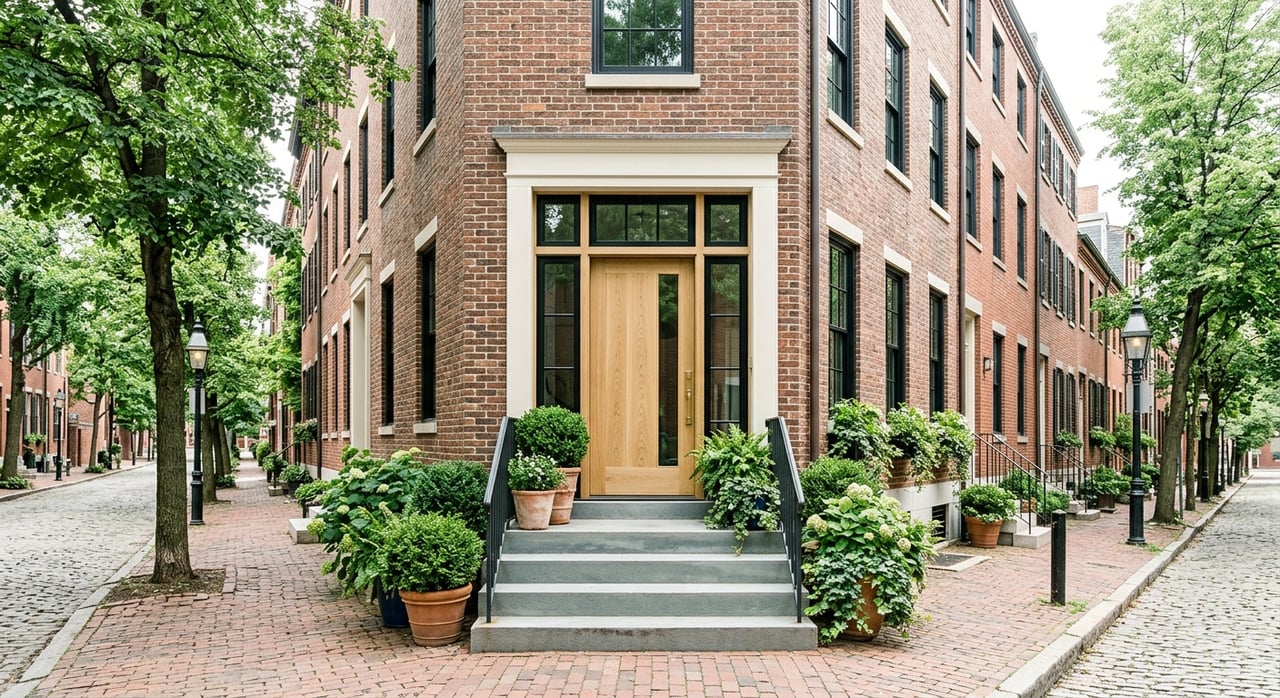
These public-portal snapshots show why buyers often compare the two paths in Madison. Always verify current status and pricing before you tour or offer.
Quick buyer checklist
- Do the math: total monthly cost equals mortgage principal and interest + property tax + insurance + HOA fees + a maintenance reserve. Use 1 to 2.5 percent of value per year for newer homes and 2.5 to 4 percent for older homes, per CBHRE’s guidance.
- Ask the HOA for the operating budget, reserve study, and recent financials. If they cannot provide them, proceed with caution and press for answers, as FirstService Residential advises.
- Decide on privacy versus convenience. For private yard and exterior flexibility, lean single-family. For lower exterior maintenance and amenities, lean townhome.
- Check insurance and lending early. Some condo and townhome projects face tighter underwriting, so confirm the community is lender-friendly, per NAR’s condo guidance.
- Confirm commute and location needs. NJ Transit’s Midtown Direct service and access to Route 24 make Madison attractive for many commuters. Verify schedule and parking before you commit, using local overviews as a starting point.
Start with your non-negotiables: privacy, outdoor space, and time commitment for maintenance. Then run the full monthly numbers with realistic tax, HOA, and maintenance reserves. Finally, test the lifestyle fit by touring both a single-family home and a townhome community on the same day. Seeing the day-to-day differences side by side helps you feel the tradeoffs and move forward with clarity.
Ready to compare options and numbers on actual homes in Madison? Reach out to Ryan Dawson to see on- and off-market opportunities, pressure-test your budget, and map a plan that fits your goals.
He is a top producing real estate agent at Weichert Morristown. His community involvement and drive for perfection gives him an advantage over other real estate agents in the area. He prides himself on being knowledgeable on the latest marketing technologies, but still relying on “old school” sales techniques.
RYAN DAWSON
ADDRESS
20 MADISON AVE
MORRISTOWN NJ 07960