Thinking about listing your Madison home in the next 1 to 3 months? The right list price in week one can set the tone for your entire sale, from showings to offers to final proceeds. You want a strategy that reflects what buyers value in Madison and how fast homes are absorbing. In this guide, you’ll learn how to build a price from real comparable sales, factor in micro-location and condition, and launch with a first-week plan that maximizes exposure. Let’s dive in.
What drives value in Madison
Madison is a commuter-focused market served by the NJ Transit Morristown Line, with buyers who care about station proximity and predictable travel times to Newark and NYC. Downtown convenience, parks, and everyday amenities also rank high for many.
- Station proximity: Homes near the train often carry a premium, but exact distance, walkability, and noise level matter.
- Downtown access: Being close to Main Street dining and shopping can improve showing activity and perceived value.
- School boundaries: Verify current district and attendance zones before pricing, since boundaries influence buyer pools.
- Micro-variations: Street-by-street differences are real. Border locations, lots near busy roads, and historic areas can shift value compared to broad neighborhood averages.
The takeaway: Your price should reflect how buyers in Madison actually shop and compare homes. That starts with a tight comp set.
Build your price from comparable sales
A strong list price is built from recent comparable sales, then refined for micro-location, condition, and market movement. Your agent should pull granular data from the local MLS for accuracy.
Select the right comps
- Time window: Start with solds from the last 3 to 6 months. Extend to 9 to 12 months only if inventory is thin and trends are stable.
- Location: Begin within 0.25 to 0.5 miles, staying in the same school boundaries when possible. Expand to 1 mile if needed.
- Property type and style: Match single-family vs. townhouse and aim for a similar style, bed-bath count, and layout.
- Size: Target comps within about ±10 to 20 percent of your home’s finished living area.
- Condition: Align for kitchen and bath update level, systems, and any finished lower level. Adjust for differences.
- Lot and orientation: Privacy, usable yard, slope, and road exposure can require meaningful adjustments.
Avoid pitfalls like relying on list prices as if they were sold prices or pulling comps from areas with very different demand drivers.
Make smart adjustments
- Paired sales: When two nearly identical sales differ by a single feature, use that difference to estimate a fair adjustment.
- Price per square foot: Calculate a consistent figure using gross living area across your top 3 to 5 comps, then adjust for condition and lot.
- Time adjustment: If the market has moved since a comp closed, apply a time adjustment based on the latest MLS trend for Madison.
A practical output is a price band with low, likely, and high scenarios. This band anchors your launch strategy and gives you room to respond to early feedback.
Read the market’s signals
Sellers and agents in Madison watch a short list of metrics to validate list price and timing. The goal is to understand buyer pace and your negotiation position.
Absorption rate explained
Absorption shows how quickly homes are selling relative to available inventory. A higher rate points to a stronger seller’s market.
- Simple formula: Absorption rate (%) = homes sold in a period ÷ average active inventory for the same period × 100.
- Use 30, 60, and 90-day windows. Compare to the prior month and prior year to spot changes that affect pricing strategy.
DOM and list-to-sale ratio
- Days on Market: Compare median DOM for recent sales to DOM for active listings. Faster sales signal tighter pricing windows.
- List-to-sale ratio: Shows how close sellers come to their list price. It helps set realistic expectations for negotiations or reductions.
Price band demand
Identify where buyers are most active right now. If most sales cluster in a specific band, pricing just inside that band can increase exposure in searches and showings.
Your 1 to 3 month prep plan
Preparing the home well and timing the launch matter as much as the number you pick. Here is a practical timeline to follow.
Weeks 9 to 12: Plan and scope
- Pre-list inspection if you choose to do one. It can reduce renegotiation risk and clarify pricing adjustments.
- Contractor bids for key repairs. Prioritize safety, systems, and water-related items.
- Declutter and organize storage options. Start donating, storing, or packing early.
- Pull permits and gather warranties and manuals.
Weeks 5 to 8: Complete updates
- Address critical repairs and maintenance. Roof, HVAC, electrical, and plumbing issues weigh on buyer confidence.
- Paint in neutral tones, refresh hardware, and tune up flooring for a clean, cohesive look.
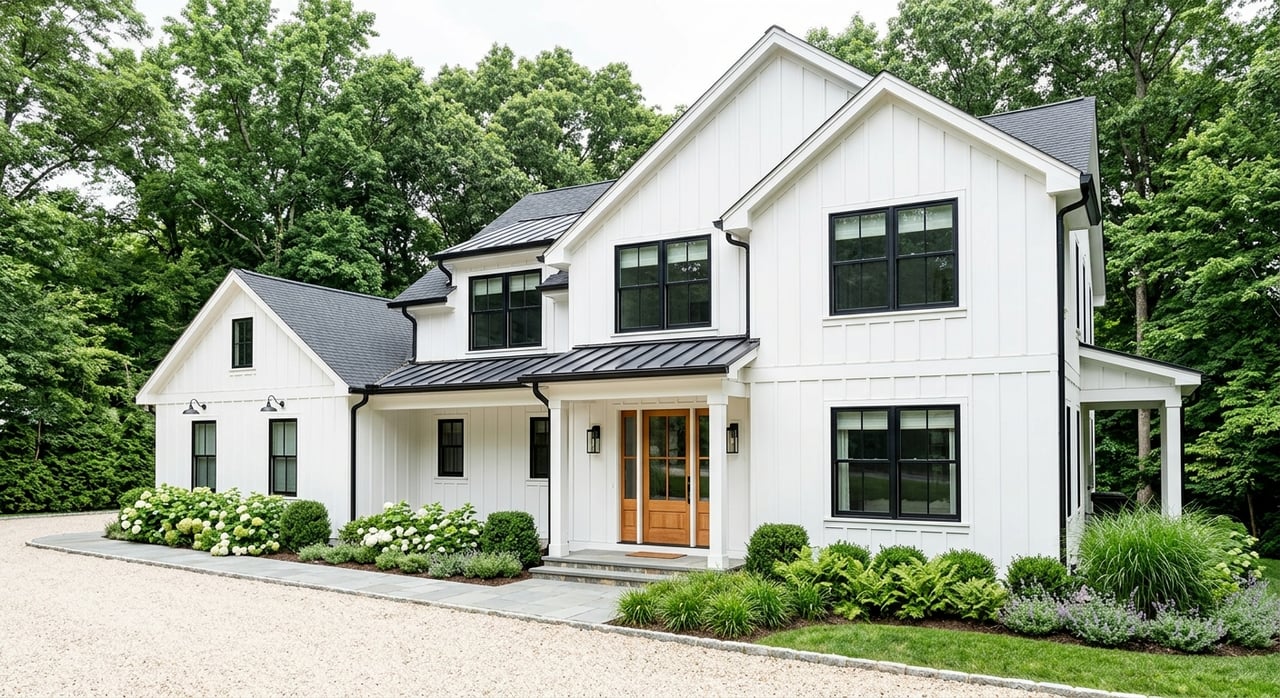
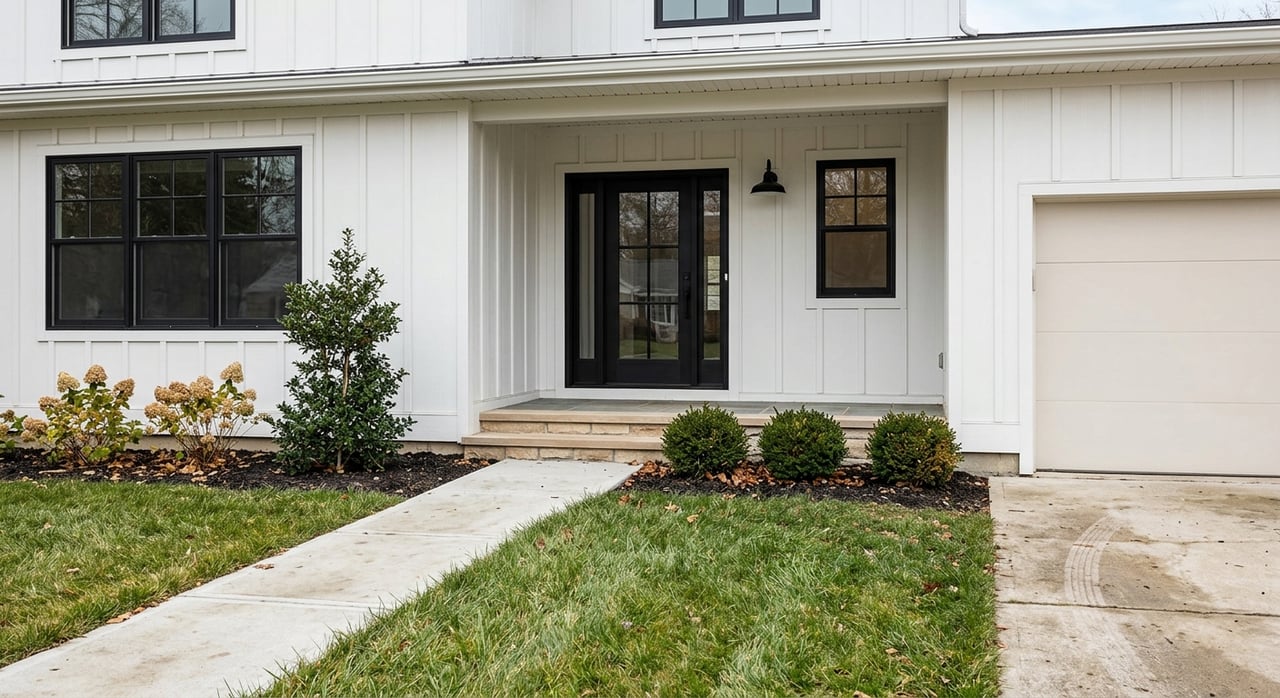
- Improve curb appeal. Tidy landscaping, clear walkways, and update exterior lighting.
- Schedule a staging consultation to align decor with buyer expectations.
Weeks 1 to 2: Final prep and marketing
- Professional photography, floor plan, and a 3D tour. Aim for great lighting and clean lines.
- Confirm feature highlights and neighborhood callouts, including commuter details.
- Final pricing meeting with your agent to lock the list price and launch plan.
Condition choices that move price
You do not need a full remodel to sell well. Focus on the updates buyers notice first.
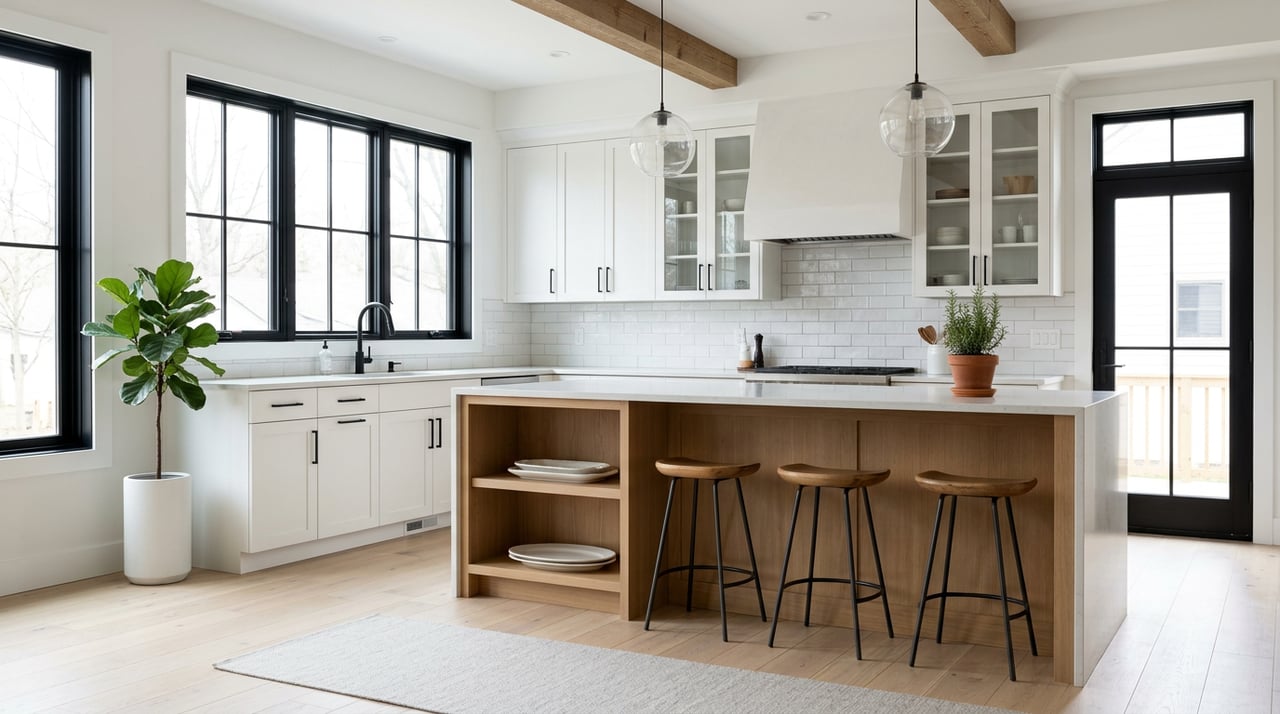
- Kitchens and baths: Targeted improvements like cabinet refacing or new countertops can be impactful without over-investing.
- Systems and permits: A newer roof or HVAC can be a tie-breaker when buyers compare homes.
- Curb appeal: The first 72 hours on market are critical. Exterior freshness shapes perception before buyers ever step inside.
- Functionality: Clarify flexible spaces and ensure bedroom-bath ratios are easy to understand in the listing materials.
Be transparent about any major issues you choose not to fix. Price accordingly and disclose early to reduce contract turbulence.
First-week launch playbook
Madison buyer interest often surges in the first 7 to 14 days. Your goal is to be the best value within your competitive set and to make it simple for serious buyers to see the home.
Price to the demand band
Set your price just inside a commonly searched band when the data supports it. This can capture more saved searches and showings without signaling distress pricing.
Pre-market exposure
If allowed by the MLS, a short “coming soon” period and a broker’s open before launch can alert agents who already have qualified buyers. Confirm rules and days-on-market treatment before you begin.
Launch timing
Many sellers benefit from a mid-week launch to build online visibility and book showings into the first weekend. Your agent should check recent MLS patterns before you pick the day.
Maximize digital presence
Use high-quality photos, a floor plan, and a 3D tour on day one. Summarize top features in clear bullet points, and highlight neighborhood strengths relevant to your buyer segment.
Show-ready strategy
Offer flexible, agent-friendly showing windows. Keep staging easy to reset between appointments and ensure the home presents consistently throughout the first weekend.
Offer management
In a high-demand segment, an offer review date can gather activity and improve leverage. Be transparent about timelines and follow applicable rules.
Showcase commuter value
For Madison, clearly state station proximity and typical travel options to Newark and NYC. Specific commute context helps buyers quantify your micro-location advantage.
After you list: monitor and adjust
Your first two weeks will tell you if buyers agree with your price. Track the right signals and be ready to course-correct if needed.
- Monitor: Showings per week, online views and saves, written interest, agent feedback, and competing new listings.
- If showings are strong but no offers: Consider a small price tweak or address common objections from feedback.
- If showings are slow: Make a more meaningful adjustment and strengthen marketing. Avoid tiny price cuts that do not change search results.
- Use local list-to-sale ratio and DOM to gauge whether to hold, adjust, or invest in presentation.
When evaluating offers, weigh more than price. Financing strength, inspection contingencies, appraisal risk, timing, and occupancy flexibility can raise or lower your net risk-adjusted outcome. Consider securing a backup offer if available.
Local data to pull with your agent
A well-run pricing meeting should include current local metrics and a clear plan.
- Last 90-day closed sales and 30 to 90-day active inventory for Madison, filtered by your property type and school boundaries.
- Absorption rate and DOM comparisons for 30, 60, and 90 days to spot short-term shifts.
- Station-adjacent sale comparisons vs. non-station areas to quantify any transit premium.
- Flood zone checks and any municipal constraints that could affect value or insurance.
- School assignment verification using current district information.
These data points, combined with a comp-ranked price band and a first-week marketing plan, set you up to hit the market with confidence.
How we price and market Madison homes
You deserve a pricing strategy rooted in neighborhood-level insight and polished marketing that commands attention. With deep local knowledge across Madison and Morris County, a disciplined MLS-driven approach to comps, and a marketing-first toolkit, we help you launch with clarity and confidence.
- Local market mastery: We synthesize hyperlocal comps, micro-location differences, and live absorption trends to set a smart price band.
- Professional presentation: Photography, floor plans, video, and 3D tours that highlight what buyers value most.
- Strategic launch: Mid-week debut, agent outreach, and a first-week plan built to generate qualified showings.
- Reliable execution: Clear timelines, proactive communication, and negotiation guidance that weighs both price and risk.
Ready to talk through your home’s price band and launch plan for Madison? Schedule a Free Consultation with Ryan Dawson.
FAQs
How do you choose comparable sales in Madison, NJ?
- Start with sold homes in the last 3 to 6 months within 0.25 to 0.5 miles, matching property type, style, size, and condition, then adjust for lot, updates, and timing.
What is absorption rate and why does it matter for sellers?
- It measures how quickly homes sell versus inventory; higher absorption signals a stronger seller’s market and can support firmer pricing and shorter timelines.
Should I underprice to spark a bidding war in Madison?
- Only if the data shows very low inventory and high absorption in your segment; otherwise, you risk leaving money on the table or missing the right buyers.
Does proximity to the Madison train station affect value?
- Yes, commute convenience can command a premium, but exact impact depends on distance, walkability, and noise; use local comps to quantify it.
How long should I wait before making a price adjustment?
- Review traction after 7 to 14 days; if showings or interest lag meaningfully, consider a meaningful adjustment rather than a minor change.
Do I need a pre-list inspection before selling?
- It is optional but can reduce renegotiations and clarify pricing; if you skip it, be transparent about known issues and price accordingly.