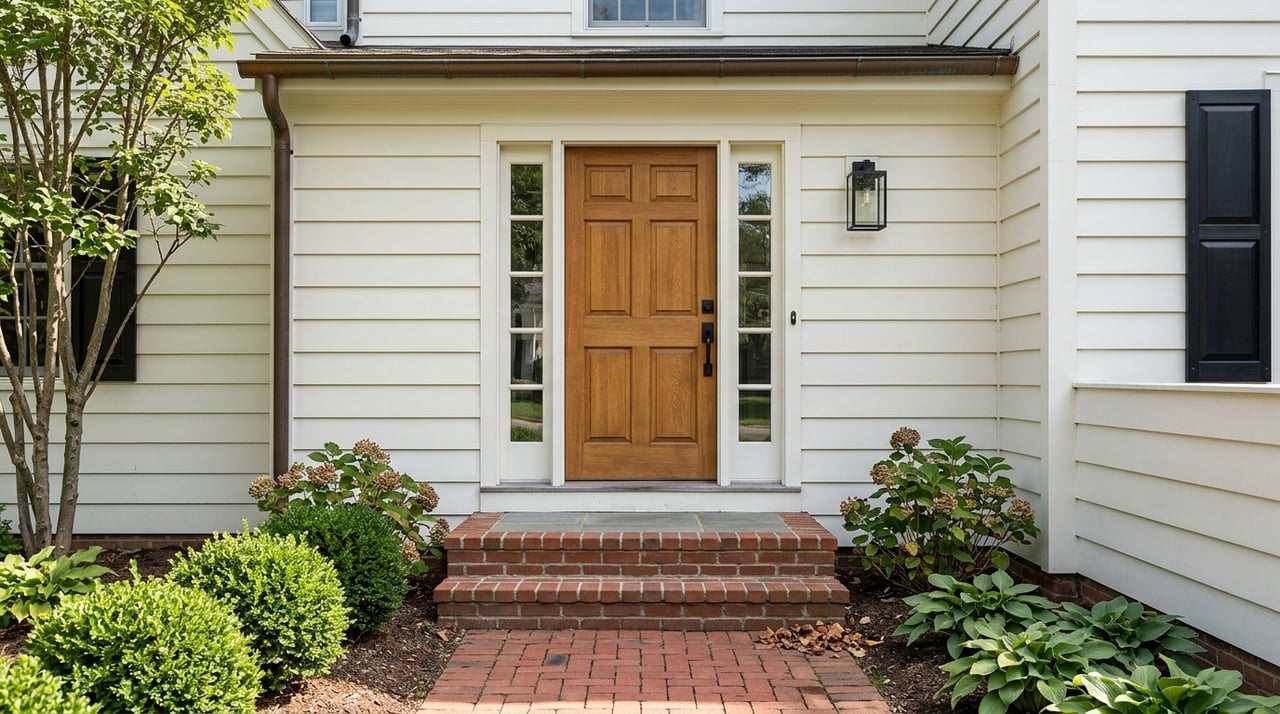
Buying Historic Homes in Madison NJ: What to Expect
Thinking about buying a historic home in Madison? It can be one of the most rewarding ways to live in town, but it also comes with a different set of expectations than buying a newer property. If you love original character, walkable streets, and homes with a story, it helps to understand how Madison’s historic areas developed, what older houses often look like inside, and what ownership may involve over time. Let’s dive in.
Madison’s historic housing story begins with Bottle Hill, centered around Kings Road and Ridgedale Avenue. Later, the town grew in a commuter-suburb pattern after the Morris & Essex Railroad opened a station in 1837. Because of that history, many older homes and landmarks still cluster within easy walking distance of the town center and station.
Today, the borough identifies historic concentrations around Main Street, Ridgedale Avenue, Kings Road, Madison Avenue, Green Avenue, and Waverly Place. Madison’s official historic framework includes the Madison Civic and Commercial Historic District and the Bottle Hill Historic District. The borough also notes that about 110 historic sites appear on the official zoning map.
For buyers, that local pattern matters. If you are drawn to a historic Madison home, your search will often overlap with these long-established streets and district areas.
One of the most appealing parts of Madison’s historic housing stock is its variety. The Bottle Hill Historic District alone reflects a long development period from about 1730 to 1930. That means you are not looking at one single home type or one predictable floor plan.
The borough’s historic preservation element describes examples that include Colonial and East Jersey Cottage forms, Romantic Revival styles such as Italianate, Second Empire, and Stick Style, and Eclectic Revival styles such as Tudor Revival. Elsewhere in town, landmark buildings show even more architectural range, including Greek Revival and Romanesque Revival examples.
For you as a buyer, that variety often shows up inside the home. Some houses may have compact early layouts, while others may have more formal Victorian-era room arrangements. Early 20th-century homes may feature porches and more traditional circulation patterns rather than the open-concept layouts many buyers see in newer construction.
Historic character can be a major advantage, but it usually comes with tradeoffs. A home built many decades ago may feel more segmented, with rooms designed for a different era of daily life. That does not make the layout worse, but it may feel very different from what you are used to in a renovated newer home.
You may also notice that no two homes are alike, even on the same street. Age, architectural style, and past renovation choices can all shape how the home functions today. In Madison, that means one historic property may feel carefully preserved, while another may blend original features with updated systems and finishes.
This is why touring in person matters so much. Historic homes are often best understood by how they live day to day, not just by square footage or online photos.
If you are planning updates, one of the first things to understand is Madison’s local historic review process. The borough says exterior changes to buildings in the historic districts require a Certificate of Historic Review. Historic Preservation Commission review is mandatory for that process.
At the same time, Madison does not frame historic rules as forcing exact restoration in every case. The borough’s approach is to manage change while keeping character-defining visible features compatible with the historic setting. That gives owners some room to improve and adapt a property while still respecting what makes it distinctive.
Madison’s guidelines also say the commission focuses primarily on the facade visible from a public way. Side and rear elevations that are less visible may allow more flexibility. For a buyer, that can be helpful context if you are thinking ahead about future projects.
Not all projects are treated the same way. Madison says demolition applications in the historic districts trigger commission review and can carry binding conditions. That is important if you are considering a property mainly for redevelopment or major structural change.
The borough’s design guidance also emphasizes compatible scale, massing, and materials for visible work. It discourages materials such as vinyl or metal siding, EIFS, and reflective glass in new construction or visible alterations. In simple terms, highly visible exterior work usually needs to fit the surrounding historic character.
That does not mean you cannot improve the property. It means planning ahead is essential so your vision, your budget, and the borough’s review framework are aligned from the start.
Owning a historic home usually means thinking in terms of stewardship, not just replacement. Preservation guidance emphasizes maintaining existing form, features, and materials whenever practical. In many cases, repair-first decisions help preserve character and may also support long-term value.
For example, routine care matters a lot in older homes. A weather-tight roof, well-maintained gutters and downspouts, and timely window repairs can help prevent larger and more expensive issues later. If you wait too long on basic upkeep, small exterior problems can turn into broader interior damage.
This is one reason historic homes reward attentive ownership. They often respond best when maintenance is proactive rather than delayed.
When you tour a historic Madison home, charm can pull your attention first. Still, the most practical first-pass concerns are usually the roof, gutters, windows, paint, and heating and cooling systems. These are often the items that affect comfort, efficiency, and near-term maintenance costs most directly.
A strong inspection strategy can help you sort cosmetic appeal from real ownership needs. If the roof is aging, the gutters are not managing water properly, or windows need meaningful repair, those issues may shape both your budget and your renovation timeline. Mechanical systems also deserve close attention, especially if you hope to improve year-round comfort.
For many buyers, this is where a clear plan helps. Historic homes can absolutely be comfortable and functional, but they often need thoughtful sequencing rather than rushed upgrades.
Many buyers love historic charm but want better efficiency and day-to-day livability. That is a common goal, and preservation guidance recognizes that modern mechanical systems are one of the main reasons owners work on historic buildings. In practice, comfort-focused updates often center on the building envelope and core systems.
Recommended steps can include an energy audit, air sealing, window and door repair or upgrades, efficient HVAC improvements, and insulation done in ways that minimize impact on historic character. For Madison buyers, that means you do not necessarily have to choose between charm and comfort. Over time, many older homes can be improved thoughtfully.
The key is pacing. It is often smarter to prioritize projects that improve weather protection, efficiency, and indoor comfort before moving on to purely cosmetic changes.
If you are buying an older home in Madison, lead-safe renovation practices should be on your radar. The EPA says homes built before 1978 are more likely to contain lead-based paint, and the older the home, the more likely lead paint is present. Work such as sanding, cutting, and replacing windows can create hazardous lead dust.
That does not mean you should avoid older homes. It means repainting, window work, and interior or exterior renovation should be approached carefully. When needed, using certified contractors and lead-safe practices is an important part of protecting the home and the people living in it.
For buyers budgeting future projects, this is not a small detail. It can affect both renovation planning and costs.
If you are serious about living in a historic Madison home, it helps to approach the purchase with both excitement and discipline. Character is easy to fall in love with, but success usually comes from matching the home’s condition, your goals, and your budget.
A smart approach often looks like this:
That kind of preparation can help you enjoy the benefits of historic ownership without being surprised by the responsibilities.
For many buyers, the appeal is simple. Historic homes in Madison connect you to the borough’s earlier development, especially near the town center, station, and long-established residential streets. They often offer architectural detail, a sense of permanence, and a lived-in character that is difficult to replicate.
At the same time, these homes ask you to be intentional. You are not just buying square footage. You are buying into a particular kind of ownership, one that blends everyday maintenance, thoughtful updates, and respect for the home’s visible character.
If that balance fits what you want, a historic Madison home can be a meaningful long-term choice. And if you want help evaluating which properties offer the right mix of charm, condition, and future potential, working with a local agent who understands Morris County housing stock can make the search much clearer. If you are exploring historic homes in Madison or nearby Morris County communities, Ryan Dawson can help you navigate the process with practical local insight.

He is a top producing real estate agent at Weichert Morristown. His community involvement and drive for perfection gives him an advantage over other real estate agents in the area. He prides himself on being knowledgeable on the latest marketing technologies, but still relying on “old school” sales techniques.
RYAN DAWSON
ADDRESS
20 MADISON AVE
MORRISTOWN NJ 07960